
The Jalapeño Pepper Plant Is Not Being Deported |
A spicy immigrant that took root in U.S. kitchens, gardens, and hearts. |
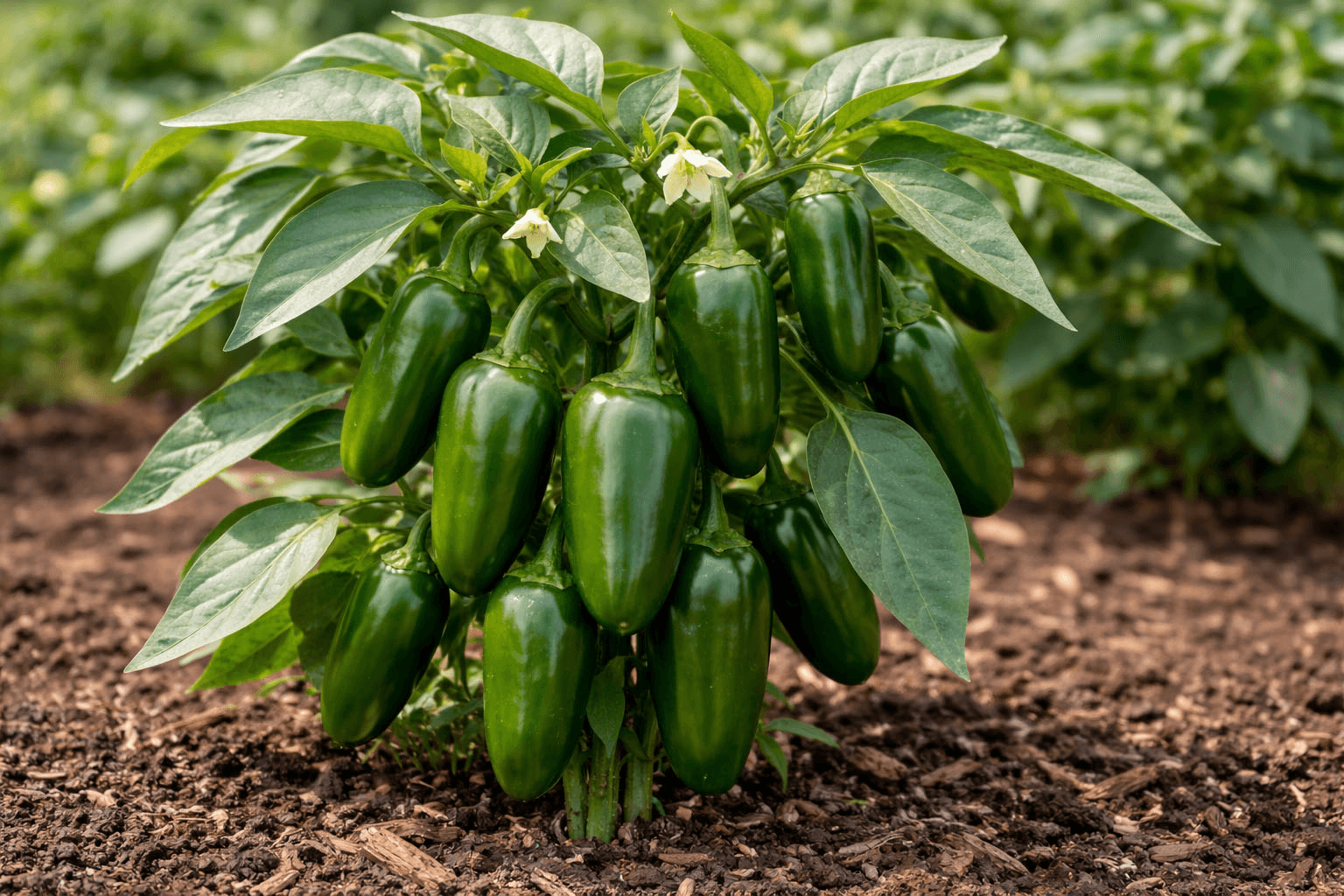
A plant that originating more than 6,000 years ago in Central Mexico, the jalapeño plant crossed the American border with open arms. Now deeply rooted in American society, it has become part of everyday life. The jalapeño isn’t going anywhere, it’s here to stay. Here’s why…
In a time when the word deported shows up in headlines far more often than anyone would like, it feels almost absurd to apply it to a plant. And yet, the jalapeño has lived a quiet version of that conversation for decades. Native to Mexico, this small green pepper crossed the border long ago and never left. Instead, it settled in growing in backyards, showing up in kitchens, and becoming so familiar that most people stopped thinking about where it came from at all.
In Food It Found Respect
You might think you don’t like jalapeños, but their flavor, and their usefulness, goes far beyond the dinner table.
The jalapeño plant doesn’t demand attention, but it earns its place. In sauces, it blends. In toppings, it sparks. In marinades, it lingers. Over time, it’s gone from an accent to a staple, from specialty ingredient to shelf regular. Some people seek out the heat, others just appreciate the flavor tucked inside a meal they didn’t even realize had a pepper in it.
Beyond The Burn
The jalapeño plant stands about three feet tall when harvested for its spicy flavor, but when left to fully mature, it turns red and takes on a sweeter taste.
It’s a growing custom to add jalapeños to a variety of foods or just enjoy them alone. Sautéed in olive oil with a touch of salt, they stand on their own. It’s a side dish in some Mexican meals. Once you indulge yourself in this spicy arena, it’s hard to escape.
In many Mexican meals, jalapeños aren’t just added for heat, they’re respected. You’ll see them roasted, blistered, pickled, or just sitting on the side of the plate, still sizzling.
It’s common to find them next to rice and beans or nestled beside grilled meats, soft and smoky from the pan.
How Jalapeños Are Used, Beyond Flavor
People think jalapeños are all about the burn. But that’s not the full story.
They’ve been used to help slow bacteria in food, to keep pests and rodents away from crops, and even in medicine for pain relief.
But the flavor is where it hits first. Green, earthy, and just sharp enough to cut through heavy food. That’s why it works. Not every pepper can do that. Some come in swinging; all fire and no finesse. But jalapeños? They play on both sides. They lift what’s on the plate without taking over.
And once you start tasting the difference, between fresh, pickled, pan-finished, or roasted, you stop calling it just a topping. You start calling it what it is: an appetizer.
Looking for more hidden gems and food stories in Long Beach? Sign up for our weekly newsletter and stay connected to the flavor of the city. CLICK HERE |
0 Comments
Join the conversation
Be the first to comment
Share your thoughts above.